



NEWS
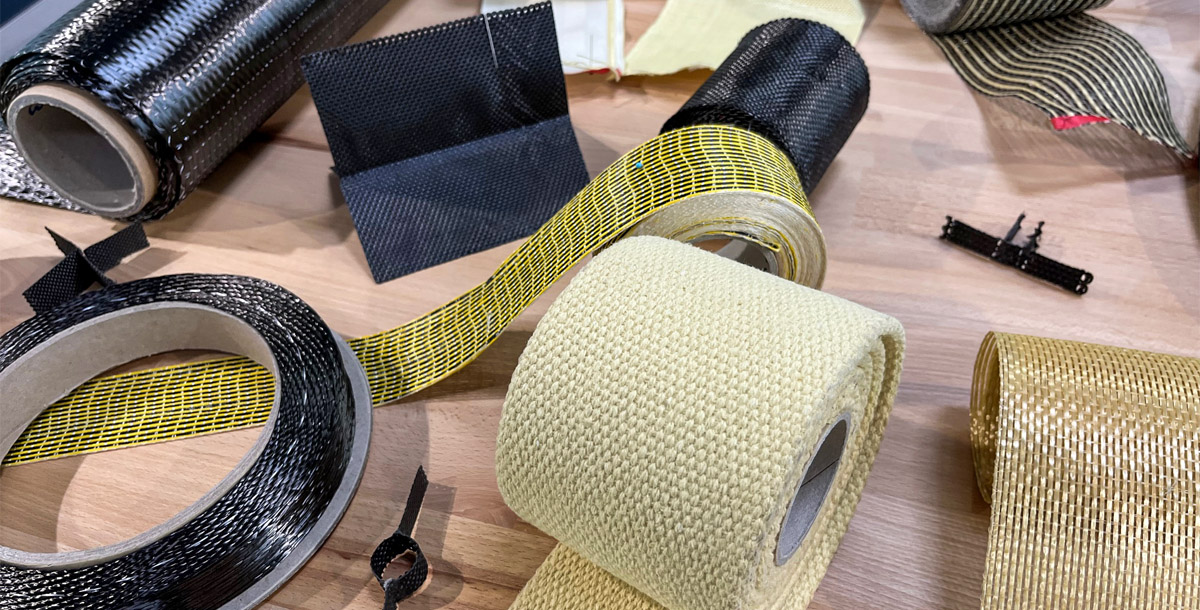
Our Composite Textiles at Interschutz 2026
Textile engineering high‑performers – A fire brigade rescue robot, a DLRG watercraft, a THW special-purpose vehicle – rescue technology requires a wide range of lightweight yet extremely high‑performance high‑tech components. With our Composite Textiles, we [...]

High-performance textiles, high process reliability
Filter tubulars and belts for the chemical industry – The filter tubular: exceptionally robust High temperatures, intense mechanical load, contact with aggressive liquids... – filtration media are subjected to extreme demands in the chemical industry. [...]

Get them out of the water!
Filtration textiles by vombaur for filtering microplastics – From the Arctic deep sea to Alpine mountain peaks: microplastics – plastic particles smaller than 5 millimetres – are now polluting people, animals and the environment almost [...]
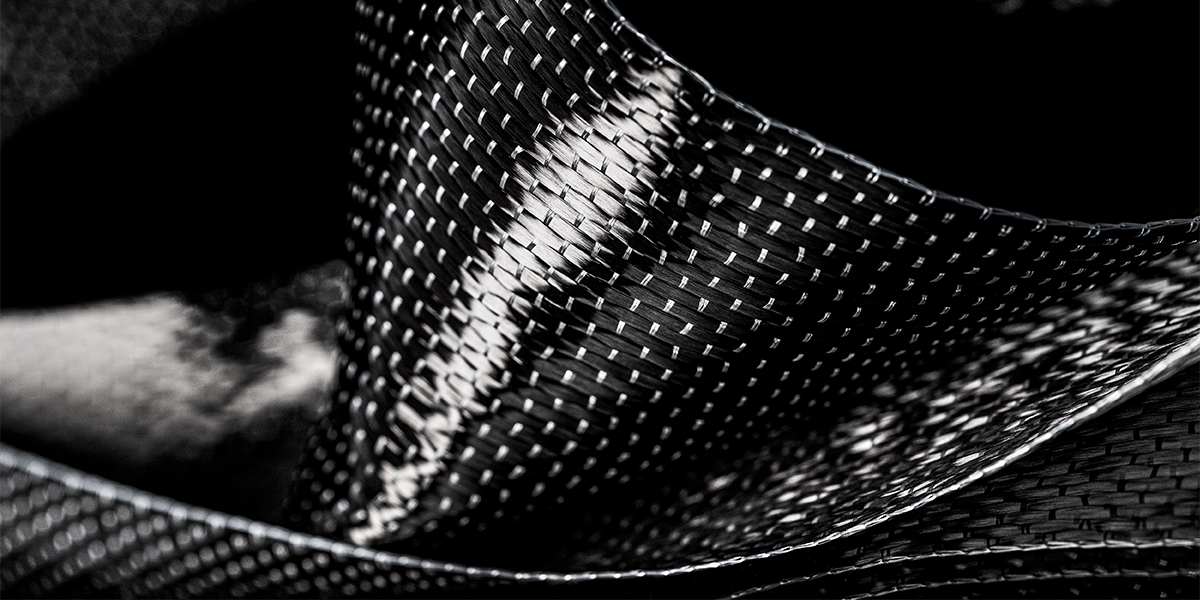
The lightweight construction material of the future
Composite textiles by vombaur for innovations in architecture and the construction industry Brick by brick or steel plus concrete – that's still what many people think of when they hear the word building site. [...]